
Why Natural Materials Never Go Out of Style in East Hampton
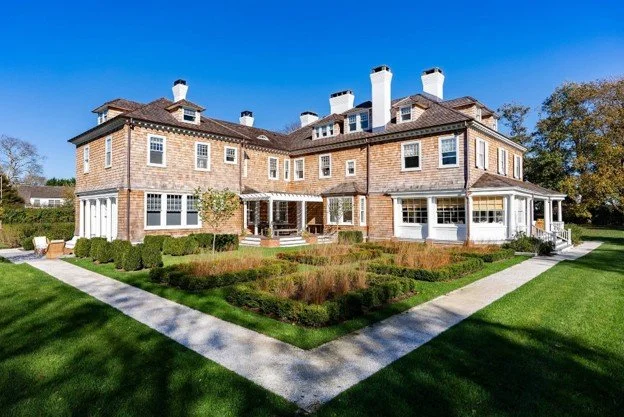
East Hampton architecture has evolved over generations, but one design principle has remained remarkably consistent: natural materials never seem to go out of style.
Cedar shingles, natural stone, copper, wood, and other organic materials continue to define many of the area's most distinctive homes. They complement East Hampton's coastal landscape, work beautifully with both traditional and contemporary architecture, and often develop more character as they age.
For homeowners planning a custom build or exterior renovation, incorporating natural materials can create a home that feels connected to its surroundings rather than driven by a short-lived design trend.
Why Natural Materials Fit East Hampton Architecture
East Hampton homes range from traditional shingle-style residences and historic cottages to contemporary custom homes. Despite those differences, natural materials work across nearly every architectural style found on the East End.
Part of their appeal comes from their relationship with the surrounding environment. East Hampton's beaches, mature trees, wooded properties, and coastal setting naturally lend themselves to exterior materials with organic colors and textures.
Natural materials can also provide:
Timeless curb appeal
Rich texture and visual depth
Architectural character
A connection between the home and surrounding landscape
An appearance that evolves naturally over time
Instead of making a home feel dated when trends change, thoughtfully selected natural materials can give an exterior lasting character.
Cedar Shingles: A Classic East Hampton Look
Few exterior materials are as closely associated with East Hampton as cedar.
Cedar shingles have been used throughout the East End for generations and remain popular for both siding and roofing. When left to weather naturally, cedar gradually develops the familiar silvery-gray appearance seen on many traditional Hamptons homes.
Homeowners choose cedar for several reasons:
Natural texture and color variation
Classic coastal appearance
Compatibility with traditional architecture
Ability to complement stone, copper, and painted trim
Distinctive appearance as the material ages
Cedar has natural resistance to decay, but proper installation and ongoing maintenance remain important, particularly in a coastal environment.
Bonac Builders offers Wood Roofing for homeowners interested in incorporating the character of natural wood into their East End home.
Natural Stone Adds Permanence and Texture
Stone provides a very different texture from cedar, but the two materials often work exceptionally well together.
On East Hampton homes, natural stone may be incorporated into:
Chimneys
Foundations
Entryways
Exterior walls
Columns
Outdoor living spaces
Stone can visually anchor a home and create contrast against softer materials such as cedar siding or painted wood.
It is also remarkably versatile. Traditional homes may use irregular stone to create an established, handcrafted appearance, while contemporary residences often incorporate cleaner stone profiles and larger pieces for a more streamlined design.
Copper Gets Better With Age
Copper is another material that demonstrates why aging does not necessarily mean deterioration.
New copper has a bright, distinctive appearance, but exposure to the elements gradually changes its color. Over time, copper can develop darker brown tones followed by the characteristic green patina associated with aged copper.
In East Hampton architecture, copper is frequently used for details such as:
Roof accents
Flashing
Gutters and leaders
Chimney caps
Dormers
Entryway roofs
These details can add visual interest without overwhelming the overall design of the home.
Copper also pairs naturally with cedar and stone, allowing several materials to age together and give the exterior additional character.
Wood Adds Warmth to Contemporary Homes
Natural wood is not limited to traditional Hamptons architecture.
Many contemporary East Hampton homes use wood strategically to soften modern exterior designs. Clean rooflines, expansive windows, metal elements, and minimalist siding can take on a warmer appearance when natural wood is introduced.
Wood may be incorporated into:
Entryways
Soffits
Porch ceilings
Exterior accents
Doors
Architectural details
Using wood selectively can provide contrast while maintaining the clean appearance associated with contemporary architecture.
Combining Natural Materials
Some of East Hampton's most distinctive homes do not rely on a single exterior material. Instead, they combine complementary textures to create architectural depth.
A home might feature cedar shingles as the primary siding, natural stone around the foundation or chimney, and copper accents along portions of the roof.
Another might combine painted siding with natural wood details and stone landscaping features.
The key is balance. Too many competing materials can make an exterior feel busy, while a carefully selected combination can make each material more noticeable.
Homeowners considering a larger exterior transformation can explore Bonac Builders' Custom Builds to learn more about the company's approach to custom residential projects.
Natural Materials and the East End Climate
Beauty is only one consideration when selecting exterior materials in East Hampton.
Homes on the East End may experience:
Salt air
High humidity
Strong winds
Wind-driven rain
Intense summer sun
Winter temperature fluctuations
Natural materials need to be selected, installed, and maintained with these conditions in mind.
For example, cedar requires proper moisture management and ventilation. Copper should be installed with compatible materials and appropriate flashing techniques. Stonework needs proper drainage and detailing to prevent water intrusion.
Quality installation is particularly important because even a durable material can experience premature problems when the surrounding exterior system does not properly manage water and airflow.
Why Natural Materials Age Differently
One of the biggest differences between natural and manufactured materials is the way their appearance changes over time.
Weathered cedar, aged copper, and natural stone develop variations in color and texture that become part of the home's character.
For many East Hampton homeowners, that evolution is part of the appeal.
Instead of trying to keep every exterior surface looking exactly as it did on installation day, natural materials can create a home that becomes more established within its landscape over time.
Choosing Materials That Fit the Home
Natural materials should still be selected based on the architecture of the individual property.
A traditional East Hampton residence may call for extensive cedar shingles and subtle copper details. A contemporary home might use stone and wood more selectively alongside modern roofing and siding products.
The goal is not simply to use natural materials. It is to choose materials that make sense together and support the architectural character of the home.
You can browse Bonac Builders' Portfolio to see custom homes and exterior projects completed throughout the East End.
Natural Materials in East Hampton Conclusion
Design trends come and go, but cedar, stone, copper, and wood continue to have a place in East Hampton architecture because they offer something difficult to replicate: natural variation, texture, and character that can become more distinctive with age.
Whether used throughout an entire exterior or incorporated as carefully chosen accents, natural materials can give a home a timeless appearance while connecting it to the landscape and architectural traditions of the East End.
If you're considering a custom build, roofing project, or exterior renovation in East Hampton, contact Bonac Builders today to schedule a consultation and discuss the materials that best fit your home and long-term goals.