
What Makes a Historic Home Feel Authentic After a Renovation?
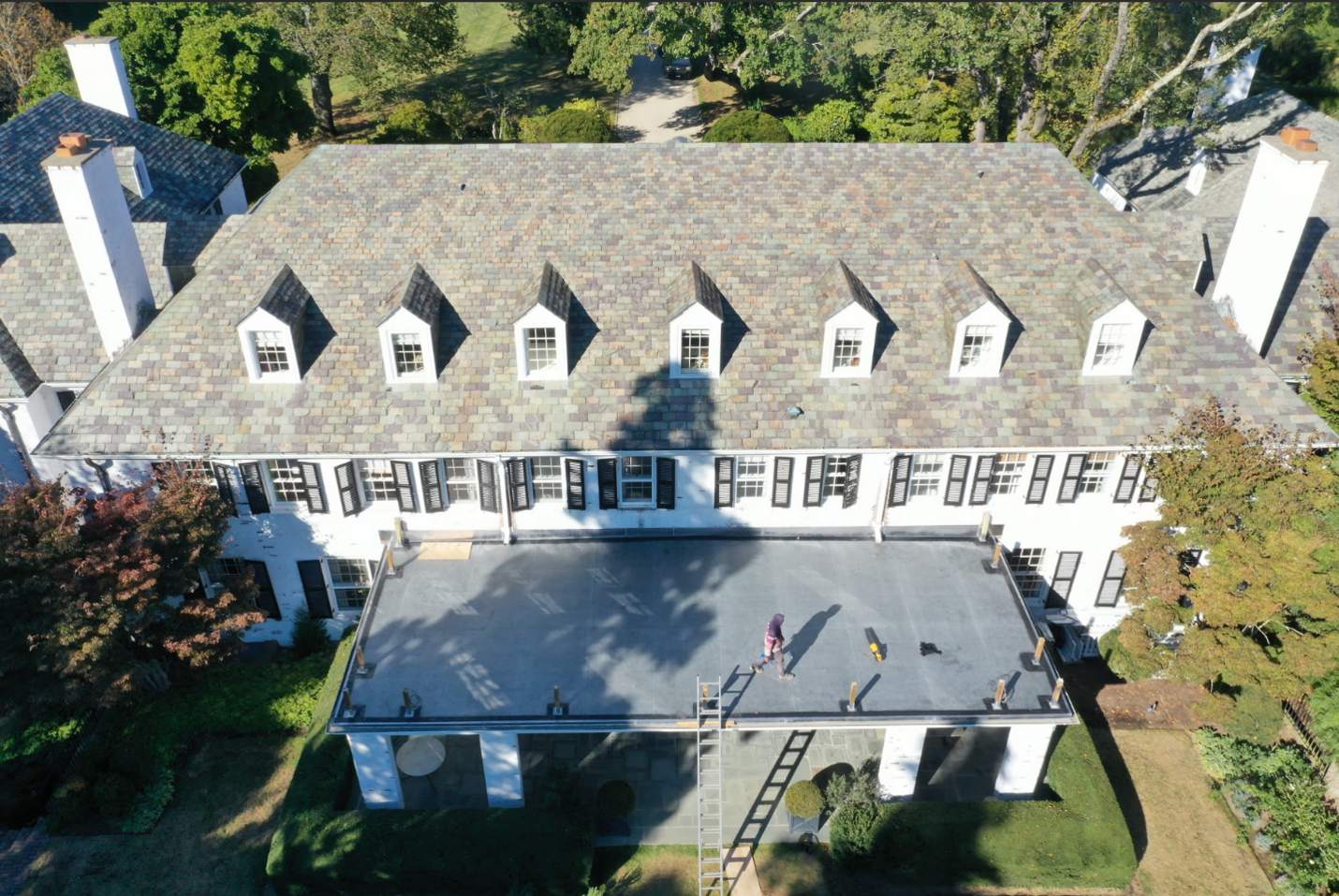
Renovating a historic home presents a unique challenge. The goal is often to improve durability, comfort, and performance without stripping away the architectural details that gave the home its character in the first place.
Across the East End, older homes are an important part of the architectural landscape. From traditional cottages and shingle-style homes to larger historic residences, these properties often feature craftsmanship and exterior details that are difficult to reproduce with standard modern construction.
A successful renovation should not make a historic home look new. It should make the home look carefully restored, with modern improvements that feel like they have always belonged there.
Start With the Home's Original Architecture
Before selecting new roofing, siding, trim, or exterior finishes, it is important to understand the architectural character of the existing home.
Details worth evaluating include:
Original siding profiles
Roof shape and pitch
Dormer styles
Window and door proportions
Fascia and trim dimensions
Porch details
Cornices and overhangs
Existing masonry and stonework
These features create the proportions and visual rhythm of a historic home.
Replacing them with generic modern materials or changing their dimensions can dramatically alter the appearance of the property, even when the overall structure remains unchanged.
Roofing Should Complement the Original Design
The roof is one of the most visually prominent features of many historic homes.
Depending on the home's architecture, traditional roofing materials may include:
Cedar shingles or shakes
Slate
Metal roofing
Architectural asphalt shingles designed to complement traditional homes
Material selection is important, but so are the smaller roofing details.
Roof pitch, shingle exposure, flashing, valleys, dormers, chimneys, and roof edges all contribute to the home's appearance.
For some properties, maintaining the character of a traditional wood roof may be an important part of the renovation. Bonac Builders' Wood Roofing services include cedar and other wood roofing options suited to traditional East End architecture.
Preserve the Right Siding Profile
Siding has an enormous influence on whether a renovated historic home still feels authentic.
Older homes may feature:
Cedar shingles
Wood clapboard
Narrow horizontal siding
Board-and-batten details
Decorative shingles
Mixed siding profiles on different portions of the home
Replacing these materials without considering their original dimensions can change the character of the entire exterior.
For example, the width of clapboard siding, exposure of cedar shingles, and transition between siding materials all affect how the finished home looks.
Modern materials may sometimes be appropriate, but the profile, scale, texture, and installation should complement the original architecture.
Homeowners can explore Bonac Builders' Siding Services for siding options that can be incorporated into traditional and historic-style homes.
Trim Is More Important Than It Looks
Trim is one of the easiest details to overlook during an exterior renovation, yet it often separates an authentic restoration from one that feels overly modern.
Historic homes frequently feature substantial trim around:
Windows
Doors
Rooflines
Corners
Porches
Columns
Eaves
Replacing substantial traditional trim with thinner, simplified profiles can make an older home lose much of its architectural depth.
Whenever possible, new trim should respect the proportions and detailing of the original home.
Even relatively small decisions, such as the width of window casing or the profile of a fascia board, can have a noticeable impact on the finished exterior.
Keep Modern Improvements Subtle
Historic homes can benefit from modern construction technology without looking like modern homes.
Today's renovations may incorporate improved:
Waterproofing
Flashing
Insulation
Ventilation
Weather barriers
Roofing underlayment
Drainage systems
Many of these improvements are hidden behind the finished exterior, making it possible to increase performance while preserving the home's traditional appearance.
Bonac Builders offers Waterproofing Services that can be incorporated into renovations to provide additional protection against moisture and the East End's coastal conditions.
Match Materials Carefully
When only part of a historic exterior needs replacement, matching the existing materials becomes especially important.
Differences in color, texture, dimensions, or installation patterns can make repaired areas immediately noticeable.
Matching may require careful attention to:
Wood species
Shingle exposure
Siding dimensions
Trim profiles
Stone size and color
Roofing patterns
Existing weathering
In some cases, the goal is not to make new material look artificially old. Instead, it should be selected and installed so that it can age naturally alongside the original portions of the home.
Craftsmanship Makes the Difference
Authenticity is not determined by materials alone.
Historic homes were often built with details that required considerable hands-on craftsmanship. Reproducing those details can require more time and precision than installing standardized modern components.
That craftsmanship may be visible in:
Custom trim work
Roof transitions
Shingle patterns
Dormer details
Cornices
Porches
Window surrounds
Copper flashing and accents
These details may appear subtle individually, but together they determine whether a renovation feels appropriate for the home's architecture.
Avoid Making Everything Too Perfect
Part of the character of an older home comes from natural variation.
Wood shingles weather differently. Stone varies in shape and color. Copper develops a patina. Traditional architectural details create shadows and texture that perfectly uniform materials often cannot reproduce.
A renovation does not need to erase every sign of age.
Instead, the objective should be to address deterioration and improve performance while retaining the details that give the home personality.
Know When to Restore and When to Replace
Not every original material can or should be preserved.
Water damage, rot, structural deterioration, previous renovations, and decades of exposure can make replacement necessary.
The important question is what should replace it.
When original materials cannot be saved, homeowners can often select new materials that replicate the scale, texture, profile, and appearance of the home's historic exterior while providing improved performance.
An experienced contractor can help determine which elements can be restored and where replacement makes more sense.
Respect the Details That Make the Home Unique
Historic renovations are rarely successful when approached as a standard exterior remodeling project.
Every older home has its own combination of rooflines, siding, trim, windows, masonry, and architectural details. Preserving those relationships is what allows the home to retain its identity after substantial work has been completed.
You can browse Bonac Builders' Portfolio to see examples of custom homes, roofing, siding, and exterior work completed throughout the East End.
Historic Home Renovation Conclusion
What makes a historic home feel authentic after a renovation is not simply its age. It is the preservation of the proportions, materials, details, and craftsmanship that made the architecture distinctive in the first place.
Thoughtful roofing choices, appropriate siding profiles, substantial trim, careful material matching, and quality craftsmanship can allow an older home to perform better without losing its character.
If you're planning a renovation of an older or historic home on the East End, contact Bonac Builders to discuss an approach that respects the home's architecture while preparing it for years to come.