
Slate vs. Cedar: Best Roofing for Sag Harbor’s Historic Charm
Nestled along the east end of Long Island, Sag Harbor is renowned for its rich maritime history and beautifully preserved 18th- and 19th-century homes. For homeowners in this charming village, selecting the right roofing material isn’t just a practical decision, it’s one that must honor the architectural integrity and historic charm of the neighborhood.
Two premium choices often considered for historic homes in Sag Harbor are slate roofing and cedar shake roofing. Each offers its own unique aesthetic, durability, and value. Here’s how they compare.
Aesthetic & Historical Authenticity
Cedar Shake Roofing
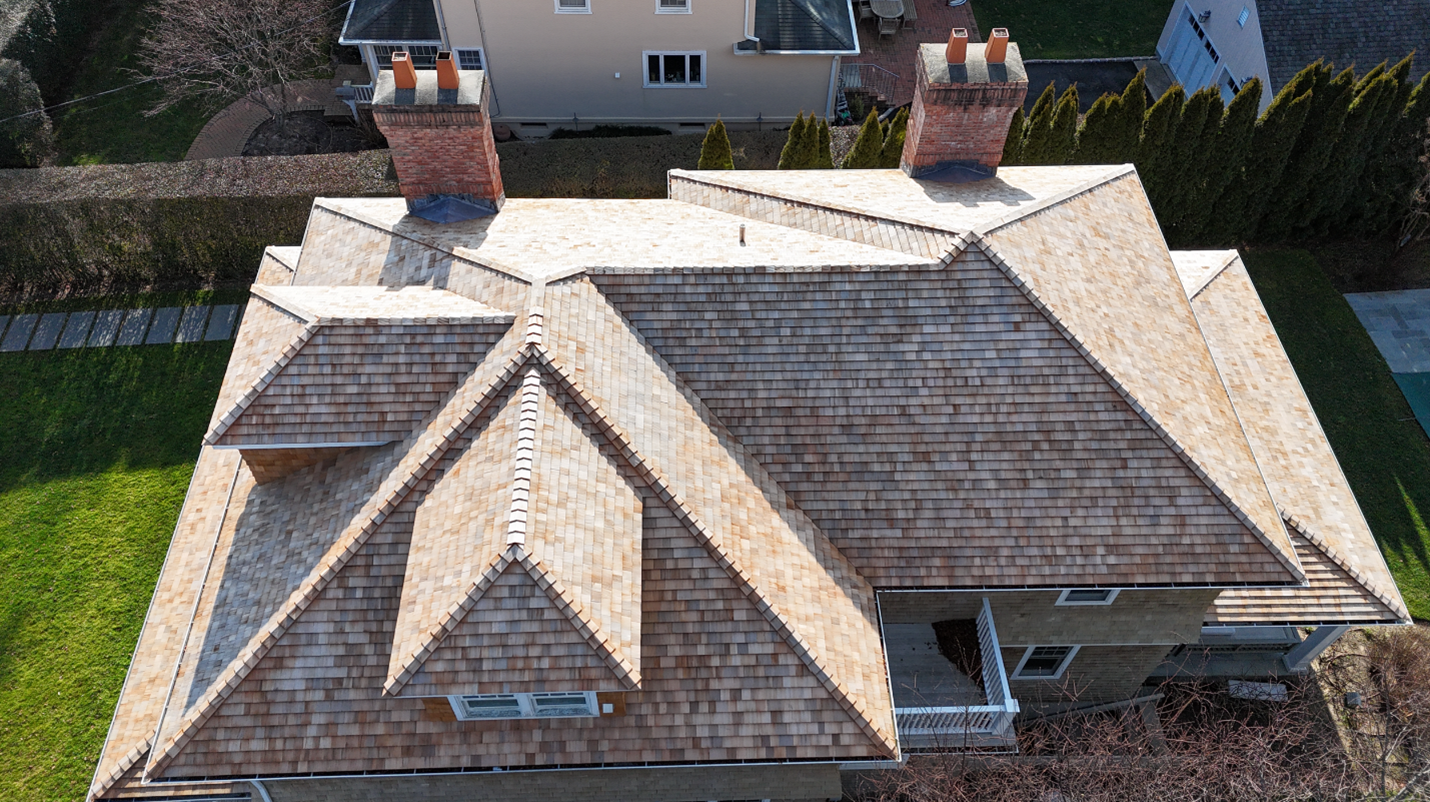
Cedar has deep roots in traditional East Coast architecture, and it’s especially popular in the Hamptons for its natural, weathered appearance. In Sag Harbor, where historic preservation meets coastal elegance, cedar shake siding and roofing blend beautifully with the area's saltbox homes and colonial-style buildings. As it ages, cedar develops a soft gray patina that enhances the timeless look of historic properties.
Slate Roofing
Slate has long been associated with prestige and durability. Its rich colors and refined appearance pair well with many of Sag Harbor’s older, architecturally significant homes. Whether you're restoring a Victorian or maintaining a Federal-style home, slate provides an authentic, enduring finish that stands the test of time.
Both are excellent for preserving historic character. Cedar may appear more coastal and casual, while slate adds formality and gravitas.
Durability & Lifespan
Cedar Shake Roofing
Properly maintained cedar roofs can last 25 to 40 years. They offer good insulation and are naturally resistant to insects, but they require more upkeep, including regular cleaning, moss removal, and fire retardant treatments.
Slate Roofing
Slate is one of the most durable materials available, with lifespans reaching 75 to 100 years or more. It’s fire-resistant, environmentally friendly, and extremely low-maintenance, but heavy, requiring reinforced roof structures.
If you’re investing for the long haul and your home can handle the weight, slate wins on durability. Cedar is more forgiving to install and still offers solid longevity with care.
Cost & Installation
Cedar Shake Roofing
Cedar is generally more affordable upfront and easier to install, making it a popular choice for homeowners balancing aesthetics with budget. However, long-term maintenance costs should be considered.
Slate Roofing
Slate is one of the most expensive roofing options, both in terms of material and installation. It requires skilled labor and structural assessment, but it often adds significant value to the property.
Cedar shakes are more cost-effective for many homeowners, but slate may pay dividends for those who plan to stay long-term or wish to preserve a property’s historic value.
Maintenance & Repairs
Cedar Shake Roofing
Expect periodic maintenance to prevent rot, mildew, and insect damage. Repairs are relatively straightforward but should be done by experienced craftsmen familiar with cedar roofing systems.
Slate Roofing
Slate requires minimal maintenance once installed, but when repairs are needed, they can be costly due to material weight and sourcing matching tiles.
Cedar requires more frequent upkeep, while slate offers a more hands-off experience.
Which Roof Is Right for You?
If you’re drawn to the cozy, time-worn appeal of traditional eastern Long Island homes, cedar shake roofing is a natural fit for Sag Harbor’s seaside environment. If you prefer a long-lasting, stately material with unparalleled durability and historic elegance, slate roofing may be the better investment.
Ready to Begin Your Roofing Project?
At Bonac Builders, we specialize in expert roofing services tailored to homes across the Hamptons. Whether you’re preserving a centuries-old treasure or building your dream home in Sag Harbor, we’ll help you choose and install the perfect roof to match your vision. Request a consultation today!