
Amagansett Siding Solutions: Preserving Natural Look with Fiber Cement
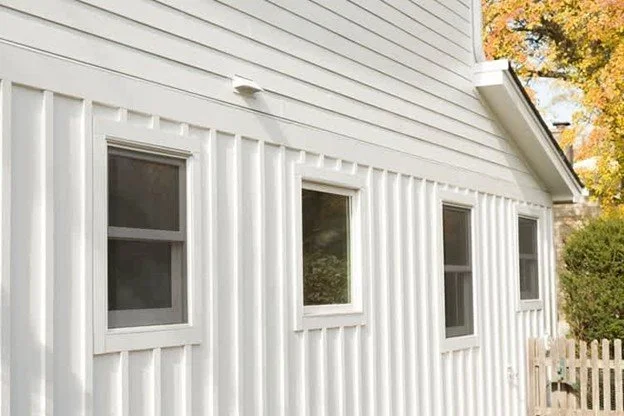
Amagansett homes are known for their understated elegance: weathered shingles, coastal tones, and architecture that blends seamlessly with the dunes and shoreline. But ocean-facing properties face constant exposure to salt air, wind, humidity, and intense sun.
For homeowners who love the look of wood siding but don’t want the maintenance cycle that comes with it, fiber cement siding has become one of the most practical solutions available.
If you’ve been exploring siding replacement options in Amagansett, here’s why fiber cement may be the right long-term investment.
The Challenge: Ocean-Facing Homes in Amagansett
Oceanfront and near-ocean properties deal with:
Salt air corrosion
Persistent moisture
High wind exposure
UV fading
Seasonal storms
Traditional cedar shingle siding installation looks beautiful on day one, but over time, wood can:
Warp
Crack
Absorb moisture
Require frequent repainting or staining
Become vulnerable to rot and insects
That maintenance cycle adds up, especially for second homes and seasonal properties.
Why Fiber Cement Siding Is Gaining Popularity in Amagansett
Fiber cement house siding offers the texture and character of real wood, without the upkeep.
Modern products like James Hardie fiber cement siding are engineered specifically for coastal climates. They resist:
Salt damage
Rot
Warping
Fire
Termites
Homeowners who once chose installing cedar shake siding are now turning to hardie fiber cement siding for the same natural aesthetic, with significantly lower long-term maintenance.
Wood Aesthetics Without Wood Maintenance
One of the biggest concerns in Amagansett is preserving the traditional Hamptons look. The good news: fiber cement siding panels can replicate:
Cedar shingles
Board and batten siding
Vertical fiber cement siding styles
Smooth modern panel siding
With fiber cement panel siding or fiber cement board and batten siding, you can maintain architectural authenticity while upgrading durability.
And unlike wood siding:
No annual staining
No sealing against moisture
No premature replacement from rot
For ocean-facing homes, that’s a major advantage.
Fiber Cement vs. Wood in Coastal Conditions
When comparing materials, homeowners often ask:
What is fiber cement siding?
How does fiber cement siding vs vinyl compare?
Is vinyl or fiber cement siding better for coastal homes?
While vinyl siding is common, vinyl can expand and contract in heat and may not offer the same premium, natural appearance as fiber cement siding for houses in high-end Amagansett neighborhoods.
Ideal for Full Exterior Upgrades
If you're already considering home siding replacement, it may be the right time to upgrade trim, soffits, and exterior accents as well, ensuring the entire envelope of your home is prepared for coastal exposure.
Working with experienced residential siding contractors ensures proper installation techniques specific to wind zones and moisture control, critical in ocean-facing environments.
When to Consider Siding Replacement
You may want to consult a residential siding contractor if you notice:
Crackedor splitting shingles
Frequent repainting needs
Warped boards
Fading or uneven weathering
Moisture intrusion
Replacing siding on a house proactively can prevent structural issues beneath the surface.
The Bottom Line for Amagansett Homeowners
Amagansett’s charm is rooted in natural textures and coastal design, but maintaining wood exteriors in a salt-heavy climate can become costly and time-consuming.
Fiber cement siding gives you:
Authentic cedar-style aesthetics
Superior durability
Lower maintenance
Long-term value
Coastal-grade performance
For homeowners who want timeless beauty without constant upkeep, fiber cement siding house solutions offer the best of both worlds. Contact us today for a free consultation!