
Montauk Weather and What It Means for Your Roof’s Lifespan
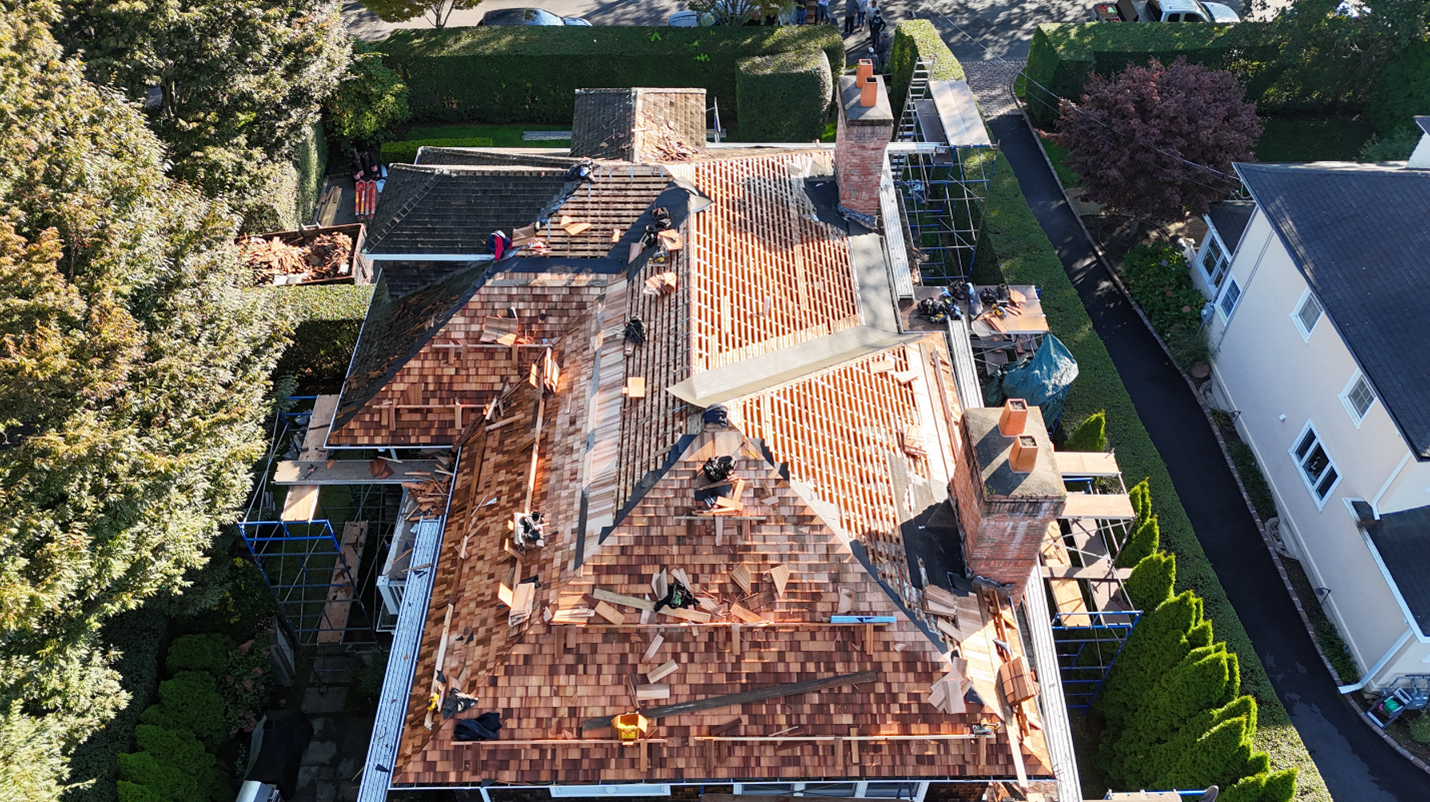
Living in Montauk means waking up to ocean views, salty breezes, and powerful coastal storms. But while the scenery is beautiful, the same elements that make this area special can quietly shorten your roof’s lifespan.
Understanding how Montauk’s weather affects your roofing system helps you make smarter decisions, whether you're maintaining an existing roof, considering a roof replacement, or working with local roofing and siding contractors to protect your home.
Coastal Wind: The Silent Shingle Lifter
Montauk can sometimes experience strong coastal gusts, especially during nor’easters and hurricane season. Over time, sustained wind:
Loosens shingles
Breaks adhesive sals
Lifts flashing around chimneys and vents
Allows water intrusion under roofing materials
Even minor lifting can lead to major leaks during the next storm.
Have your roof inspected annually, especially after major storms, by experienced roofing siding contractors who understand coastal conditions.
Salt Air: Corrosion You Can’t See (At First)
Salt air is one of the biggest long-term threats to Montauk homes.
Salt accelerates corrosion of:
Metal flashing
Fasteners and nails
Gutters
Roof vents
Chimney caps
Over time, corrosion weakens structural components and reduces your roof’s lifespan significantly compared to inland homes.
Homes closer to the shoreline experience faster deterioration, sometimes shaving years off a standard asphalt roof’s life.
Use stainless steel or corrosion-resistant fasteners
Choose high-quality underlayment
Work with roofing and siding contractors familiar with coastal builds
Intense Sun & UV Exposure
Montauk’s sunny summers bring heavy UV exposure. Over time, UV rays:
Dry out asphalt shingles
Cause cracking and curling
Fade roofing materials
Reduce shingle flexibility
When shingles lose flexibility, they become more vulnerable to wind uplift and storm damage.
If your roof is 10–15 years old, UV breakdown may already be reducing its protective capacity.
Storms & Nor’easters: Impact and Water Intrusion
Montauk storms combine wind-driven rain with pressure changes that force water into small openings.
Common storm-related issues:
Missing shingles
Compromised ridge caps
Ice damming in winter
Hidden leaks in attic spaces
How Long Should a Roof Last in Montauk?
In moderate inland climates:
Asphalt shingles: 20–25 years
Architectural shingles: 25–30 years
In Montauk’s coastal environment:
Standard asphalt roofs often last 15–20 years
Higher-end architectural shingles perform better
Metal roofing can last longer if corrosion-resistant
Material quality and proper installation by reputable roofing and siding contractors makes a major difference.
Practical Ways to Extend Your Roof’s Lifespan
Here’s how to protect your investment year-round:
1. Annual Inspections
Catch small problems before they become structural damage.
2. Post-Storm Checks
After heavy windevents, inspect for:
Missing shingles
Loose flashing
Debris impact damage
3. Keep Gutters Clear
Salt and debris buildup increases water backup, which damages roof edges.
4. Upgrade Materials During Replacement
Ask about:
Impact-resistant shingles
Coastal-rated materials
Corrosion-resistant fasteners
Synthetic underlayment
5. Address Siding at the Same Time
Consider evaluating siding simultaneously. Coastal conditions affect both systems, and bundling work can improve weatherproofing and efficiency.
When to Consider Roof Replacement
It may be time to consider roof replacement if you notice:
Curling or brittle shingles
Granule loss
Repeated leaks
Rusting flashing
Storm damage patches
Replacing a roof proactively often costs less than repairing water-damaged framing, insulation, and drywall.
Conclusion
Montauk’s beauty comes with environmental challenges. Coastal wind, salt air, sun, and storms all accelerate wear compared to inland homes.
The key to maximizing your roof’s lifespan is:
High-quality materials
Coastal-aware installation
Routine maintenance
Working with experienced roofing and siding contractors who understand Montauk’s conditions
A roof is your home’s first defense against one of the harshest residential climates in the Northeast. Contact us today for a free consultation!