
Roof Leak Warning Signs Most Homeowners Miss (Until It’s Too Late)
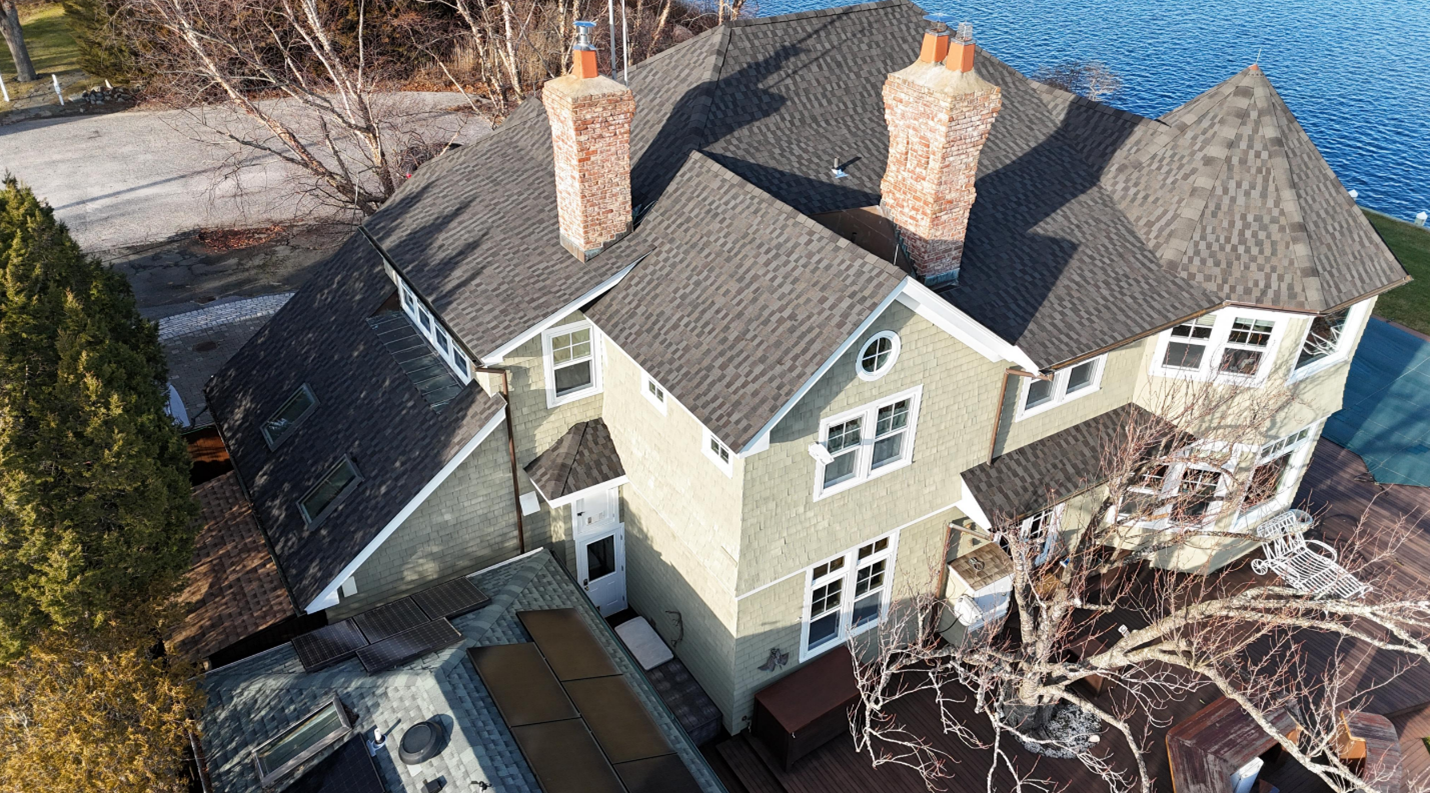
A major roof leak rarely starts as a dramatic drip from the ceiling. More often, early warning signs appear weeks, sometimes months, before homeowners realize water is getting into the structure. These subtle indicators are easy to overlook, especially in the Hamptons and surrounding Suffolk County areas where coastal weather accelerates roof wear.
Catching these problems early can save thousands in repairs, prevent structural damage, and protect your siding, insulation, and interior finishes. Here are the hidden signs your roof may be leaking long before the damage becomes obvious.
1. Discoloration on Ceilings, Walls, or Exterior Siding
The first signs of moisture intrusion often show up as faint stains or irregular patches on ceilings and high walls. These marks are typically yellow or brown, and they often grow slowly over time.
But many homeowners miss an even earlier clue: exterior siding discoloration.
When water penetrates the roof, it can run behind:
Wood siding
Fiber cement siding
If siding begins to look darker in certain areas, warp slightly, or show wavy sections, it may indicate water traveling down from a compromised roofing area, not a siding problem itself.
2. Excessive Granules in Gutters or Around the Home
Granule loss is one of the clearest signs that asphalt shingles are breaking down. After heavy wind, salt exposure, or summer storms, homeowners may notice:
A sandy residue in gutters
Granules collecting at the bottom of downspouts
Bare patches on shingles where the surface has worn off
Without this protective layer, shingles degrade rapidly, making leak formation almost inevitable. On Long Island, where roofs endure strong coastal winds and UV exposure, granule loss progresses faster than inland homes.
3. Flashing Separation, Rust, or Cracking
If shingles are the “skin” of the roof, flashing is the waterproof armor that keeps joints and transitions sealed. Flashing is installed around chimneys, skylights, dormers, valleys, and other vulnerable areas.
Early flashing failure may appear as:
Rust spots
Thin cracks or splits
Caulking pulling away from brick or siding
Metal lifting or curling
Even the smallest gap can allow water to enter and travel horizontally beneath the roof system, often reaching attic framing or the top of exterior walls before any interior signs appear.
4. Musty Odors or Elevated Humidity in the Attic
Before the inside of your home shows any visible damage, the attic almost always reveals a leak first. Signs include:
A damp, musty smell
Moisture on rafters
Clumped or heavy insulation
Visible mold patches
This is especially common in homes with inadequate attic ventilation, a widespread issue in older Long Island properties. Moisture trapped in the attic accelerates wood rot, compromises insulation, and shortens roof lifespan.
5. Warping, Buckling, or Soft Spots in Roofing Surfaces
If portions of the roof feel soft, spongy, or uneven underfoot, it’s a major red flag. This typically means water has already penetrated the decking beneath the shingles, causing rot or structural weakening.
At this stage, the issue is no longer a minor roof repair, it requires professional evaluation and often replacement of damaged structural components.
6. Interior Peeling Paint or Bubbling Trim
Water intrusion behind walls often leads to:
Peeling interior paint
Warped window or door trim
Bubbling wall texture
Damp baseboards
Because water can travel several feet from the entry point, these signs don’t always appear directly beneath the leak.
7. Exterior Moss or Algae Growth, Especially in Isolated Patches
A small, isolated patch of moss or algae on the roof can indicate long-term moisture retention in a specific area. Common causes include:
Damaged shingles
Poor drainage
Compromised flashing
A developing leak underneath
Even a small area of biological growth can signal deeper issues in the roof’s underlayment.
Why Early Detection Matters
Roof leaks that go unnoticed can quickly involve more than just the roof. Homeowners often end up facing:
Mold remediation
Damaged attic insulation
Rotting framing
Siding replacement
Interior drywall and paint repairs
Flooring or electrical damage
In coastal areas like the Hamptons, where salt air and humidity magnify water intrusion risks, early detection is crucial.
Conclusion
Most major roof failures begin with small, easily missed warning signs. Identifying issues early keeps repair costs low, protects your home’s structure, and prevents damage from spreading into siding, insulation, and interior finishes.
If you’re noticing signs of a possible roof leak, now is the right time to address it before the damage spreads. Bonac Builders specializes in high-quality roofing and siding solutions that protect and restore your home’s exterior. Connect with our team today to discuss your project or request an estimate.