
The Hidden Costs of Delaying Roof Replacement: What Homeowners Need to Know
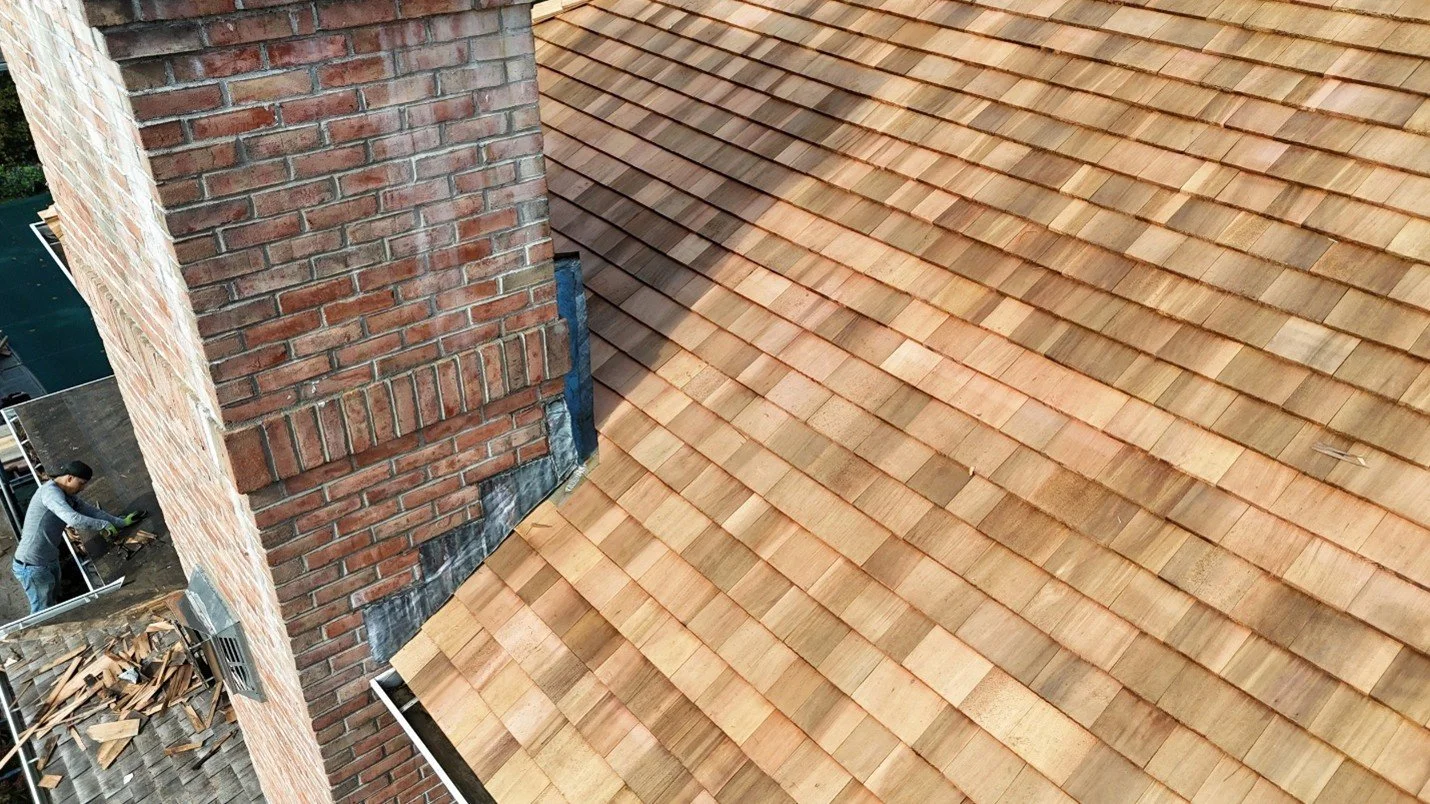
When a roof begins to show signs of age, many homeowners try to delay replacement for as long as possible. But postponing a necessary roof replacement can quickly turn a manageable project into a costly, urgent repair. Understanding what’s at stake can save you thousands and protect the structural integrity of your home.
Below, we break down the real risks, hidden expenses, and long-term impacts of putting off essential roofing work.
1. Minor Shingle Damage Turns Into Full Structural Repairs
A few missing or curling shingles may not look alarming, but they’re often the first warning sign that replacing roof shingles is no longer optional. Once water penetrates your roofing system, it begins to impact the underlayment, decking, insulation, and even framing.
What could have been solved with a timely appointment from a roof replacement contractor can escalate into widespread damage, mold issues, drywall repairs, and interior restoration costs.
2. Your Siding May Start to Suffer, Too
Roofing and siding work together as a weatherproof shell. When the roof fails, water often begins traveling down the walls, damaging materials and shortening the lifespan of exterior siding.
This is where many homeowners see a ripple effect:
Moisture infiltration behind fiber cement siding or wood siding
Warping or staining of vinyl siding
The need for unexpected siding replacement because the system can no longer properly drain
3. Energy Efficiency Declines and Utility Bills Rise
An aging roof has weaker insulation, more gaps, and deteriorating ventilation. This means your HVAC system has to work harder year-round. Homeowners frequently notice rising energy costs before they realize the roof is the culprit.
If water reaches the insulation or the attic space, homeowners may end up needing:
New insulation
Repairs to soffits, fascia, or ventilation channels
Occasionally, replacement of fiber cement siding panels or wood trims impacted by moisture
These are exactly the types of "hidden" costs that make postponing a roof replacement far more expensive over time.
4. Insurance May Not Fully Cover Damage Caused by Deferred Maintenance
Insurance policies typically cover sudden loss, not problems caused by deferred maintenance. If your insurer determines that the roof failure resulted from age, ignored damage, or routine wear, you may be responsible for the bill entirely.
That includes potential repairs to:
Interior walls
Ceilings
Exterior siding such as cedar shingle siding, brick siding, or stucco siding
Structural elements impacted by prolonged leaks
5. Your Home’s Market Value Drops Significantly
Prospective buyers often walk away from homes with aging roofs. A roof nearing the end of its lifespan raises questions, including:
Will the buyer need a roof replacement contractor immediately?
Are siding systems compromised as well?
How often should you replace your roof in this climate?
Even if the rest of your home is immaculate, an outdated roof, especially one showing visible damage, can reduce offers and extend time on market.
In regions like the Hamptons, roof condition is one of the first things buyers evaluate. Delaying the project can also indirectly impact siding upgrades such as new home siding, vertical fiber cement siding, or fiber cement board and batten siding, which many homeowners prioritize when refreshing curb appeal.
6. Small Issues Quickly Become Emergencies
A roof rarely fails all at once, it fails slowly, then suddenly. What begins as a minor drip can escalate into:
Rotting sheathing
Damaged attic structures
Compromised walls requiring home siding replacement
Emergency leak repairs at peak-season pricing
Emergency service is almost always more expensive than a planned roof replacement.
So, How Often Should You Replace Your Roof?
Every material has a different expected lifespan:
Asphalt shingles: 20–30 years
Cedar shake: 20–40 years
Metal roofing: 40–70 years
Slate: 75+ years
But climate, maintenance, ventilation, and installation quality all influence how quickly a roof deteriorates.
In coastal areas like eastern Suffolk County, where wind, salt air, and storms accelerate wear, many homeowners replace their roofs sooner than the national average. If you're unsure where your roof stands, a professional inspection from a trusted roof replacement contractor can give you an accurate timeline.
Proactive Replacement Saves Money
Delaying a roof replacement rarely saves money. Instead, it increases the likelihood of paying for:
Structural repairs
Siding damage
Energy loss
Emergency services
Lower resale value
A strategic, well-timed roof replacement, paired with properly maintained siding, protects your home’s structure, aesthetics, and long-term value. Protect your home before small roofing issues turn into major repairs. Schedule a consultation with Bonac Builders today!