
Cedar Shake vs. Fiber Cement Siding: What’s Right for Your Hamptons Home?
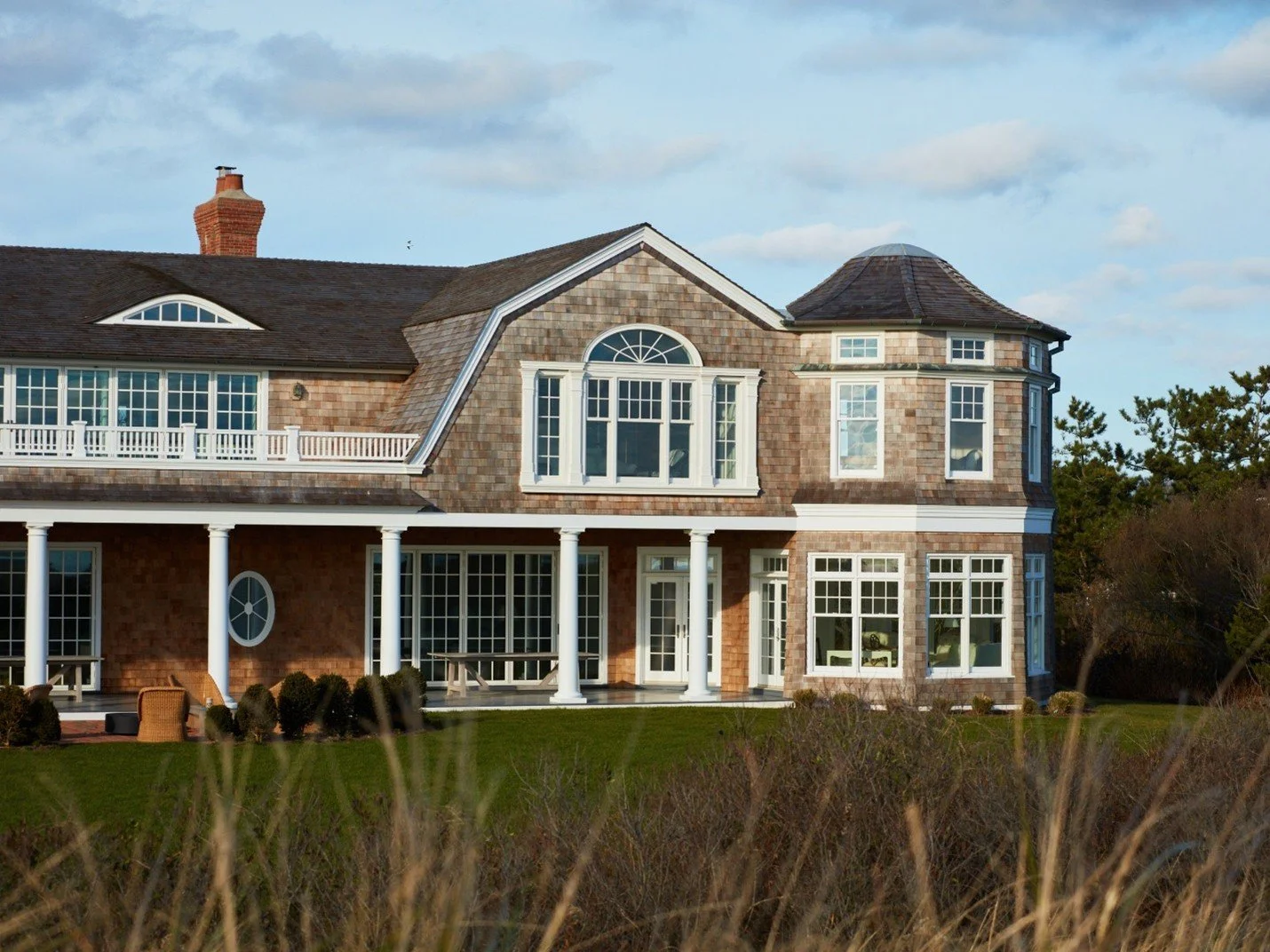
When it comes to choosing siding for your Hamptons home, two of the most popular and high-performance options are cedar shake and fiber cement siding.
Each brings its own unique strengths in terms of aesthetics, durability, and long-term performance, particularly in the coastal environment of eastern Long Island. At Bonac Builders, we’ve installed both extensively and understand how each performs under this region’s wind, moisture, and salt exposure.
If you’re between the two, let’s break down the pros and cons to help you decide which siding material is right for your home.
The Aesthetic: Traditional Charm vs. Clean Versatility
Cedar Shake Siding offers a timeless, natural look that blends beautifully with the architectural character of the Hamptons. Whether stained or left to weather to a silvery gray, cedar exudes warmth, texture, and classic coastal charm. Homeowners looking for that shingle-style authenticity often gravitate toward cedar.
Fiber Cement Siding, on the other hand, offers a more uniform, modern appearance. Brands like James Hardie provide a range of textures, including wood-look planks and board-and-batten styles, that replicate the appearance of real wood while offering crisper lines and a more refined profile. It’s ideal for homeowners who want low-maintenance curb appeal with flexible design options.
If your design vision leans toward rustic or historic, cedar shake is the way to go. If you're aiming for a polished, contemporary look, fiber cement wins.
Durability & Maintenance: Weathering the Hamptons Climate
The Hamptons are known for their coastal beauty, but also for extreme weather conditions: salty air, high humidity, nor’easters, and harsh winters.
Cedar Shake Siding is naturally rot-resistant and performs well in coastal areas, but it does require regular upkeep to maintain its protective qualities. Without periodic sealing, staining, or painting, cedar can crack or cup over time, especially with freeze-thaw cycles.
Fiber Cement Siding is engineered to withstand severe climates. It is non-combustible, impervious to termites, resistant to warping and rot, and designed to hold paint for longer cycles. It also stands up well to wind-driven rain and salt air, making it a reliable option for waterfront or near-shore properties.
For homeowners who want reduced upkeep and superior longevity, fiber cement is the more durable choice. Cedar requires more maintenance but offers unmatched natural beauty.
Climate Resilience: Protecting Against Moisture & Mold
Cedar Shake, being a natural material, can absorb moisture, which makes proper installation and ventilation critical, especially in coastal environments. Without attention to detail in flashing and underlayment, moisture issues can develop.
Fiber Cement Siding resists moisture penetration far more effectively and is not susceptible to mold, mildew, or fungal decay. It performs especially well when installed with high-performance weather barriers and flashing systems, something Bonac Builders incorporates into every fiber cement install.
Fiber cement provides a stronger barrier against moisture intrusion, making it the better option for high-humidity or storm-prone areas.
Environmental Impact
Cedar is a renewable resource and biodegradable, making it a greener material, especially if harvested from sustainably managed forests. However, the need for frequent sealing or staining can offset some of that benefit.
Fiber cement is made from cement, sand, and cellulose fiber. While it’s more energy-intensive to manufacture, it lasts significantly longer than most wood products and reduces landfill waste from re-siding projects.
Cedar is the more natural option, but fiber cement’s longevity and reduced need for refinishing can make it a more sustainable long-term solution.
Which Is Right for You?
Choosing between cedar shake and fiber cement siding comes down to your personal priorities:
Choose Cedar Shake if you value authentic, traditional aesthetics and are prepared to invest in regular maintenance to preserve the wood’s beauty.
Choose Fiber Cement if you want a longer-lasting, lower-maintenance material that withstands coastal weather with minimal upkeep.
At Bonac Builders, we guide you through the best decision for your home’s architecture, location, and lifestyle. Whether you’re renovating a classic East Hampton cottage or building a new modern retreat, our team can recommend the right product mix and back it with expert craftsmanship.
Let’s talk about which siding material best suits your home. Contact us today to schedule your consultation.